Beach Hut Ownership: Costs, Rules and Realities Compared with a Static Caravan
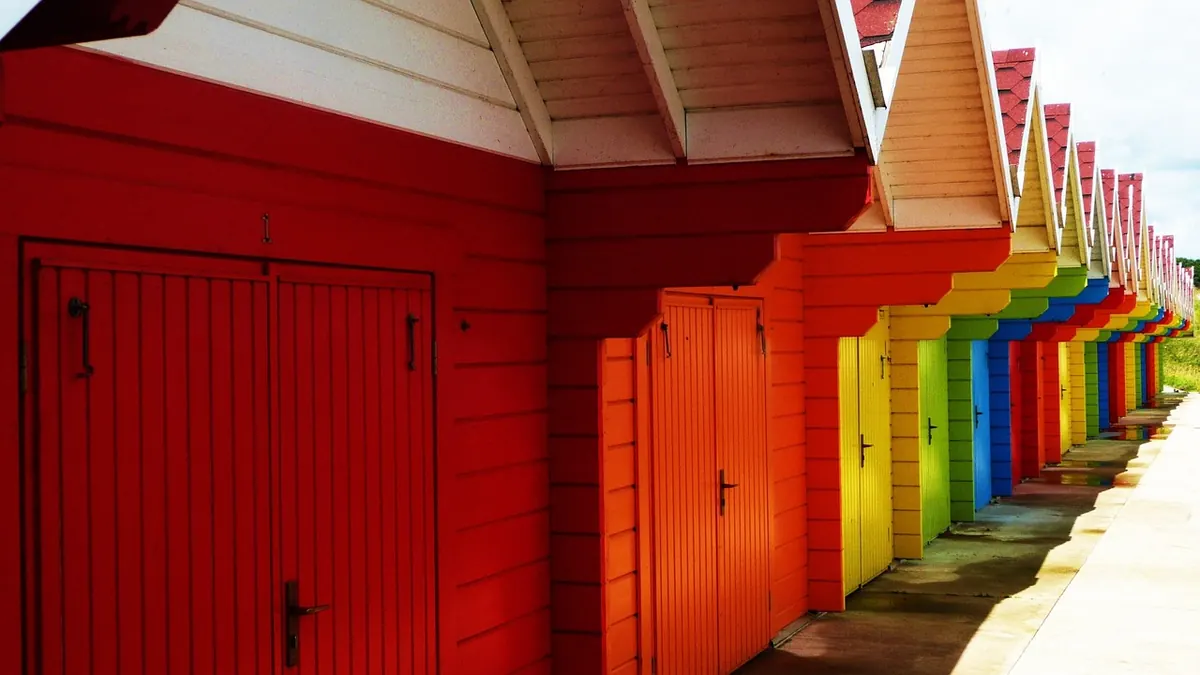
A beach hut gives you a door to lock at the end of a blustery walk and a kettle that only ever boils for two. A static caravan gives you a shower, a proper bed and somewhere to put wet dogs. Both are routes to more time by the sea, and both carry annual bills that catch out anyone who only counted the purchase price. Here is how the two compare on cost, rules and the day-to-day reality of owning one.
What you are actually buying
Most beach huts are not property in the way a house is. You buy the hut itself — the timber, roof, paint and contents — and with it the right to keep it on a particular patch of ground, usually under a licence or lease from a council, an estate or a private landowner. Freehold huts exist, and so do long leases, but they are the exception rather than the rule. If your right to occupy ends, you can be left owning an attractive shed with nowhere to stand it. Some councils allocate huts by waiting list or ballot rather than open sale, so the first phone call is to the local authority, not to an estate agent.
A static caravan is bought outright, but you do not own the land beneath it. You pay for a pitch on a holiday park under a written agreement. Your rights come from that agreement and the park's site licence, and they differ across England, Wales, Scotland and Northern Ireland. Take legal advice before signing anything — it is a small cost set against a long commitment.
Purchase prices: two very different markets
Hut prices follow scarcity. Where there are forty huts and four hundred people who want one, prices climb, and at a handful of celebrated sites huts have sold for more than a flat in many towns. On quieter stretches, and in parts of the country where huts are less fashionable, they change hands for far less. There is no useful national price guide, so ask the council what a licence costs, ask a local agent what has genuinely sold nearby, and ignore asking prices.
Static caravans behave more like cars than houses. A new model loses value as soon as it is sited, and a ten-year-old one may be worth very little. That makes entry cheaper and buys considerably more space, heating and plumbing for your money — but do not buy one expecting it to hold its value.
Annual costs and the small print
- Beach hut: annual licence fee or ground rent, insurance, maintenance, and often a transfer fee when the hut changes hands.
- Static caravan: pitch fee, metered electricity and gas, water and drainage where connected, insurance, annual gas and electrical safety checks, and maintenance.
- Both: contents cover, security, and the fuel to get there.
Pitch fees usually rise every year. Reviews are regulated and there is normally a route to challenge an increase you believe is unreasonable, but the detail varies between nations, so check the position where you are buying. Ask the park or landowner for the last few years of fee letters rather than just the current figure, and read the clause explaining how fees are reviewed. If that clause is vague, treat it as a warning rather than small print.
Rules that catch people out
Beach huts
Many licences forbid overnight sleeping, cooking, running water and subletting. Colours, materials and repair obligations are often specified, and some sites close in winter. Read the licence in full before you fall for the paintwork, and check what happens when it ends — some require the hut to be removed.
Static caravans
The open season is typically ten or eleven months, occasionally twelve, and planning conditions usually mean the caravan cannot be your only home. Many parks set an age limit on units, after which the caravan must be replaced or taken off the pitch. There are frequently restrictions on subletting, and the park may take a commission when you sell.
Insurance and upkeep
Salt air is hard on timber, hinges and locks. Expect to repaint a beach hut every few years and to budget for storm damage, a new roof, or repairs to whatever it stands on. Insurance should cover storm and flood if the site is exposed, and cover the contents you leave inside.
Caravans suffer from damp, and it rarely announces itself. Check seals, window frames, the roof and the chassis before buying, and keep air moving through the unit in winter. If the park closes for part of the year, the water system needs draining properly to avoid burst pipes when the frost arrives.
Before you commit
- Confirm exactly what you are buying: freehold, lease, licence or pitch agreement, and how long it lasts.
- Get the full annual cost in writing, including fees, rates, utilities, insurance and any resale commission.
- Check the rulebook for sleeping, subletting, age limits, pets and winter closure.
- Budget for upkeep, not just purchase — a hut is a maintenance hobby as much as a retreat.
- Take professional legal advice before signing, and ask the council or park to put everything in writing.
If your heart is set on a hut, get onto waiting lists early and be patient; scarcity is the whole story. If you want space and comfort for a family, a caravan usually delivers more of both for the same money. Either way, the sea is the point.