Autumn on the Pembrokeshire Coast: A Quieter Seaside Travel Guide
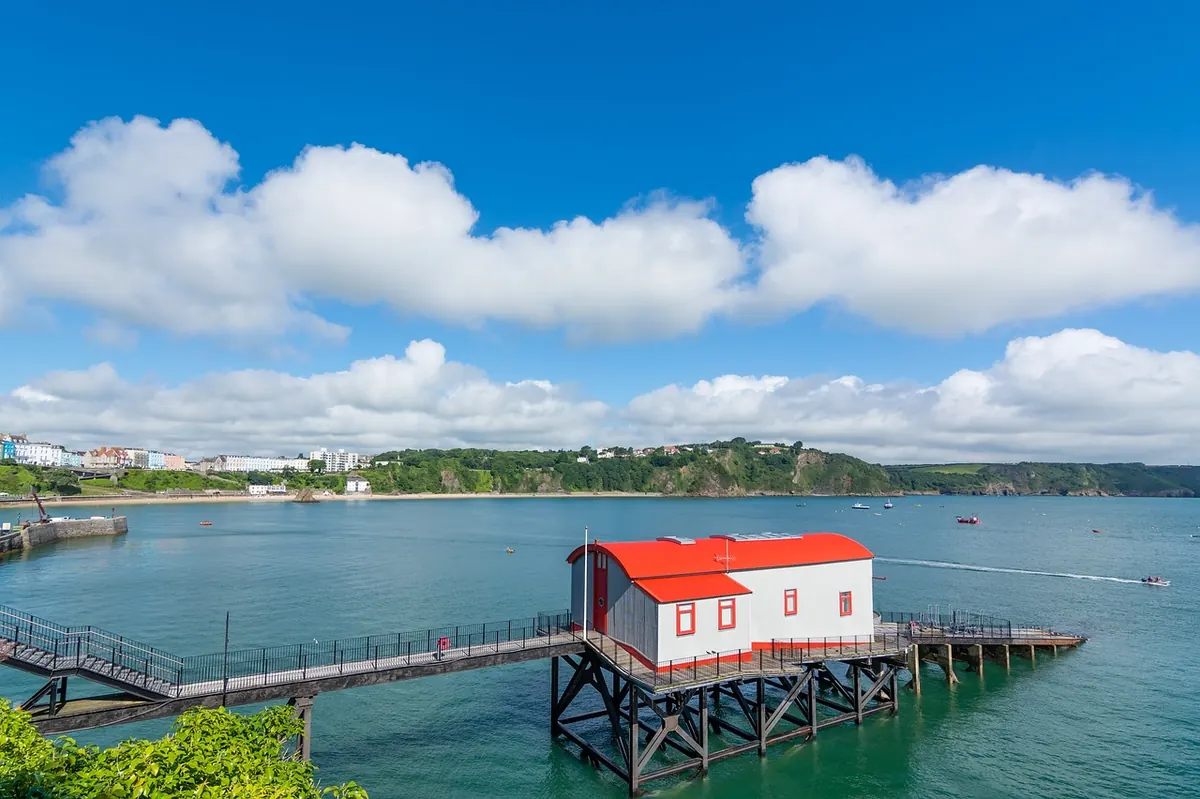
By the second week of September the Pembrokeshire coast has already begun to change. The queues at the ice cream hatch thin out, the car parks at Whitesands and Broad Haven South have spaces again, and the light turns a low, buttery gold that photographers wait all year for. The sea, oddly, is as warm as it gets — it has been heating up since June — so a dip without a wetsuit is still a reasonable proposition for the hardy, certainly into early October.
What you get instead of crowds is weather with character, a coast path you can walk for an hour without seeing anyone, and a cast of wildlife that changes almost weekly. What you lose is reliable sunshine and, in places, a few of the summer buses and cafés. Plan around that and autumn is arguably the best time to be here.
Why autumn suits this stretch of coast
The Pembrokeshire Coast Path runs for 186 miles from Amroth to Poppit Sands, and in July you share its most famous sections. In October you often have them to yourself. The underfoot conditions matter too: after a dry summer, the path is firm, and the worst of the mud usually arrives with November. Gorse still flowers, bracken turns rust and copper, and the hedgerows along the lanes are heavy with sloes and blackberries.
Half-term week at the end of October is the exception. That week, cottages and pubs fill and popular car parks overflow again. If you can travel on either side of it — a Tuesday to Thursday in mid-October, say — you will notice the difference immediately.
Walks that come into their own
The coast path is waymarked with an acorn symbol, and most of these can be done as there-and-back or circular routes using quiet lanes.
Shorter, easy-going routes
- Bosherston Lily Ponds circular (about three miles): the lilies have gone over, but herons, kingfishers and the eight-arch bridge more than compensate. Otters are present, though you will need to be out at first light or dusk and very patient.
- Porthgain to Abereiddi and the Blue Lagoon: industrial ruins, a tiny harbour, and a flooded slate quarry the colour of a swimming pool. The return leg on the coast path takes in Traeth Llyfn, reached by a steep metal staircase.
- Dinas Head circular from Pwllgwaelod: a short climb, a big view, and the ruined church at Cwm-yr-Eglwys on the way back.
Longer days out
For a proper leg-stretcher, walk Solva to St Davids along the cliffs — roughly six miles of zawns, inlets and rock formations, ending with a pint or a coffee in Britain's smallest city. Further west, the St Davids Head circuit from Whitesands takes in Coetan Arthur, a Neolithic burial chamber, and heathland covered in choughs and stonechats. If the weather turns truly grim, head inland to the Preseli Hills instead, where the wind is at least slightly less fierce and the autumn colours on the heather are worth the drive.
Beaches with room to breathe
Most of the famous ones empty out after the first weekend of September. Barafundle Bay, reached by a half-mile walk over the dunes from Stackpole, may have three other people on it. Marloes Sands, a long sweep of sand and rock pools backed by cliffs, is at its best on a falling tide, when the drowned forest and the rock strata become visible. Freshwater West is for watching, not paddling — it is a serious surf beach with rip currents.
Two practical points. First, RNLI lifeguard patrols are seasonal and typically finish in September, so check before you swim and never swim alone. Second, many seasonal dog restrictions on beaches lift on 1 October, but not everywhere and not on the same date. Read the signs at the car park rather than assuming.
Wildlife: seals, choughs and a changing cast
Autumn on this coast is the grey seal pupping season, running roughly from September into November. Pups are born with white fur and cannot swim properly for the first few weeks. The right thing to do is simple: watch from the clifftop, keep well back, use binoculars, and keep dogs on a lead. Disturbing seals — including causing a mother to abandon a pup — is an offence, and it is also genuinely harmful. Good vantage points include the cliffs around Ramsey Island and the Marloes and Stackpole stretches.
Meanwhile the summer birds leave. Manx shearwaters and puffins depart for the open Atlantic, and in come redwings, fieldfares and wintering wildfowl. Estuaries such as the Cleddau and the millpond at Carew fill with duck and wigeon; starling murmurations gather over the reedbeds at dusk. Choughs stay all year, and the north coast around Strumble Head is one of the best seawatching spots in Wales when an autumn gale pushes birds close inshore. Bring binoculars; you will use them.
When it rains, and it will
Autumn rain here is rarely a drizzle you can ignore. Build one indoor option into each day:
- St Davids Cathedral and the neighbouring Bishops Palace ruins
- Castell Henllys, near Newport, where Iron Age roundhouses have been rebuilt
- Carew Castle and its tidal mill, or Pembroke Castle
- Tenby's Tudor Merchant's House and the town's independent shops
- Narberth, for galleries, cafés and a good bookshop
Opening hours shorten sharply outside the school holidays. Check before you drive.
Cosy places to stay
The best autumn stays are in the villages: Solva, Little Haven, Newport, Dale, Angle, St Davids. Look for converted coastguard cottages, former boathouses and farmhouses with wood burners, and ask two questions before booking — is there a boot room or drying space, and does the fire come with a starter pack of logs? Parking matters more than you would think in the smaller hamlets, where lanes are narrow and residents understandably tire of roadside clutter.
Village pubs generally keep serving food, but kitchens close earlier and some shut on Mondays and Tuesdays from October. Book ahead at weekends. If you are self-catering, buy fish from a harbour shop or a van rather than a supermarket, and remember that many village shops have reduced Sunday hours.
Practical notes for an autumn visit
Check tide tables before any beach walk. Several of the best stretches — Marloes, Broad Haven South, Newport Sands — shrink dramatically at high water, and it is easy to get caught against the cliffs.
Pack for wind and rain rather than cold: waterproof jacket and trousers, walking boots with grip, a warm mid-layer, a hat, and a headtorch. After the clocks go back at the end of October, it is dark well before five, and the coast path is not somewhere to be navigating in the gloom.
Mobile signal is patchy in the coves and along the cliffs. Tell someone your route and expected return time. For any emergency at the coast or on the water, call 999 and ask for the Coastguard. Paths get slippery and muddy, stiles and livestock are common, and dogs should be on leads around sheep and near seals at all times.
Finally, transport: the seasonal coastal bus services that thread the county together wind down at different points in the autumn, so check timetables carefully if you are walking one way. Otherwise, drive to the start, park considerately in the National Trust or council car parks, and finish where you began. And if you plan to swim, do it with others, acclimatise gradually, and treat cold water with the respect it deserves — this is a coast that rewards caution as much as enthusiasm.
Photo: TimHill / Pixabay